Where to buy compression stockings in Montreal?


If you’re looking for compression stockings in Montreal, you probably want a store that offers quality products, professional advice, and a precise fit. At LG Medical Comfort, we specialize in medical compression stockings and help hundreds of clients each year find the right solution for their needs.

Whether you suffer from heavy legs, varicose veins, swelling, venous insufficiency, are pregnant, travel frequently by plane, or spend long hours on your feet, compression stockings can make a real difference.

Why buy your compression stockings from LG Medical Comfort?
Choosing compression stockings should never be left to chance. Effective compression depends on a product suited to your condition and accurate measurements.

At LG Medical Comfort, we offer:


• Professional measurements.

• Personalized service tailored to your needs.

• High-quality products.

• Advice for clients with or without a prescription.

What are the benefits of compression stockings?


Compression stockings apply graduated pressure to the legs to promote venous return. They can help to:

• relieve heavy legs;
• reduce swelling in the legs and ankles;

• decrease discomfort associated with varicose veins;

• improve blood circulation;

• enhance comfort during air travel;

• provide support during pregnancy;

• help people who work standing or sitting for extended periods

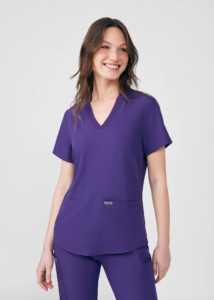
Medical uniform trends in 2026: When comfort meets style

Medical uniforms are no longer just work clothes. In 2026, they reflect a new reality: healthcare professionals are looking for clothing that is both high-performing and comfortable, while also projecting a modern and professional image.

Here are the major trends that will define this year.

1. Nature-inspired colors
Neutral and soothing shades dominate the new collections. The most popular are:
• Forest green
• Slate blue
• Steel gray
• Pink
• Grape mauve

2. Comfort above all
Long workdays demand high-performance uniforms. Manufacturers are now focusing on fabrics that are:
• Four-way stretch
• Breathable
• Moisture-wicking
• Stain-resistant
• Easy to care for
Uniforms are increasingly drawing inspiration from sportswear to offer optimal freedom of movement.

3. A More Modern Cut
Cuts are evolving towards a more contemporary style:
• Slightly fitted tops
• Straight or cargo pants
• Comfortable elastic waistbands
• Ergonomic seams
• Multiple functional pockets
The goal is to offer a flattering uniform without compromising comfort.

4. Personalization Becomes Essential
Clinics and businesses now want to showcase their identity through:
• Logo embroidery
• Corporate colors
• Harmonized cuts for the entire team
A personalized uniform reinforces a professional image and fosters a sense of belonging.

5. The Details That Make the Difference
New collections focus on refined finishes:
• Discreet closures
• Tonal stitching
• Softer fabrics
• Cleverly placed pockets
• Redesigned collars

These small details improve both comfort and overall appearance. Conclusion

By 2026, medical uniforms will become a true tool for well-being and professional representation. Trends will favor calming colors and modern cuts.

Bas de compression : pourquoi ils sont essentiels pour vos jambes (et pas seulement pour les aînés)

Les bas de compression ne sont plus réservés aux personnes âgées. Aujourd’hui, ils sont portés par des professionnels actifs, des voyageurs fréquents, des sportifs et toute personne qui passe de longues heures debout ou assise.

Mais à quoi servent-ils vraiment ?

Why wear compression stockings on a plane?

Traveling by plane is exciting, but long hours spent sitting can impact blood circulation. This is why more and more travelers are choosing to wear compression stockings when traveling.

What happens during a flight?

Pressure and dehydration:

Dry air and cabin pressurization impact blood circulation and oxygenation.

and the risk of phlebitis (blood clot) which can block blood circulation.

When you sit for several hours, blood tends to pool in the legs. This situation can lead to:

A feeling of heavy legs
Swelling in the ankles and feet
Discomfort or cramps

How do compression stockings help?

Compression stockings exert gradual pressure on the legs, strongest at the ankle and gradually decreasing towards the top of the calf. This compression helps to:

Promote venous return to the heart
Reduce swelling in legs and feet
Reduce the feeling of fatigue in the legs
Improve comfort during and after travel

Who should wear them?

Compression stockings can be particularly beneficial for:

Travelers on flights lasting more than 4 hours
People who sit for a long time
Pregnant women
People suffering from venous insufficiency or varicose veins
Travelers who often experience swelling after a flight

Compression stockings are a simple and effective solution to improve your comfort on a plane. Whether you’re traveling for work or vacation, they can help you arrive at your destination with lighter, more rested legs.

Need advice on choosing the right compression stockings? The LG Confort Médical team is here to guide you towards the model suited to your needs.

5 signs it’s time to replace your compression stockings

Your compression stockings work hard every day to improve your circulation, reduce swelling, and relieve heavy legs. But like everything else, they wear out. Keeping stockings that are too old is like running in shoes without soles: they just don’t do the job anymore.

Here are 5 telltale signs:

The elasticity is gone.
Your stockings slip, roll down, or fall off at the ankle or calf during the day.

Why this is a problem: Compression needs to be gradual and consistent. If the stocking doesn’t stay in place, the pressure isn’t evenly distributed, and the therapeutic effect disappears.
The fabric has become thin or transparent.
Hold your stocking up to the light. If you can see through it, especially at the heel, toes, or calf, the fibers are stretched and worn.

General rule: Opaque stockings that become semi-transparent have lost 50% or more of their compression.

They’re easier to put on than before.
New compression stockings are always difficult to put on. That’s normal.

If you suddenly find them easy to put on, that’s a bad sign: the elasticity is gone. You’re no longer getting the prescribed millimeters of mercury (mmHg) pressure.
You’re experiencing less relief.
Your legs are heavy, swollen, or painful again at the end of the day, whereas your stockings used to help.

Note: Before blaming the stockings, also check if your medical condition has changed. But 9 times out of 10, it’s wear and tear.

It’s been more than 6 months of regular use.
Even with perfect care, the elastic fibers wear out.

*LG Medical Comfort Pro Tip: Always buy 3 pairs to rotate. Wash one pair while you’re wearing the other. This triples their lifespan and you’re never caught without clean stockings.


Compression stockings: an effective solution for swollen ankles and heavy legs

Why do we get swollen ankles and heavy legs?
The sensation of heavy legs or swollen ankles is very common, especially in women. It is often linked to poor blood circulation, called venous insufficiency.
When blood doesn’t circulate as well in the legs, it tends to stagnate, which leads to:
a feeling of heaviness
swelling (edema) in the ankles
sometimes pain or tingling
The most frequent causes:
standing or sitting for long periods
heat (summer, heating)
hormonal changes
a sedentary lifestyle
pregnancy
a genetic predisposition

Compression stockings: how do they work?

Compression stockings exert graduated pressure on the leg: stronger at the ankle and decreasing towards the top.

This principle helps to:

improve blood flow back to the heart
reduce swelling
decrease the feeling of fatigue in the legs
prevent venous problems

👉 It’s a simple, non-invasive, and very effective solution for everyday use.

When to wear compression stockings?

Compression stockings are recommended in several situations:

if you experience heavy legs at the end of the day
if your ankles swell regularly
during long trips (plane, car)
if you work on your feet (e.g., in the healthcare sector)
during or after pregnancy
to prevent varicose veins
There are different levels of compression in millimeters of mercury (mmHg):
15-20 mmHg: used by athletes for performance, endurance, and recovery. Without a prescription
*20-30 mmHg: used by people who spend many hours on their feet
With a prescription
*30-40 mmHg / 40-50 mmHg / 50-60 mmHg: used by people with more serious venous problems; edema, varicose veins, phlebitis, thrombosis.
With a prescription

Important:

✔ Choose the right size (based on measurements taken by a certified professional) precise measurements; ankle, calf, foot, and calf length
✔ Prioritize comfort (breathable material; linen, cotton, merino wool, nylon, or microfibers)
✔ Adapt to your lifestyle

How compression stockings help reduce varicose veins

Varicose veins aren’t just a cosmetic concern—they’re often a sign of a blood circulation problem. Fortunately, there’s a simple, effective, and non-invasive solution: compression stockings.

But how do they actually work? And why are they so highly recommended by healthcare professionals?

What are varicose veins?

Varicose veins appear when veins have difficulty returning blood to the heart. This results in:

swollen and visible veins
a feeling of heaviness in the legs
discomfort or pain
sometimes cramps or swelling

How do compression stockings work?

Compression stockings apply graduated pressure to the leg:

strongest at the ankle
gradually decreasing towards the top of the leg

👉 This mechanism helps blood flow more easily back to the heart, instead of pooling in the veins.

The tangible benefits

Improved circulation

The stockings stimulate venous return and reduce blood stagnation.

Reduced appearance of varicose veins

Over time, the veins become less visible and less swollen.

Immediate relief

From the first use, many experience:

lighter legs
less fatigue
less pain
Prevention

They help prevent:

the worsening of varicose veins
the appearance of new visible veins

Who should wear them?

Compression stockings are particularly recommended for:

people who work on their feet for long periods
those who sit for several hours
pregnant women
people with a predisposition to varicose veins

⚠️ Important Tips

Choose the right compression level (light, moderate, medical)
Ensure the correct size (ideally measured)
Put them on in the morning, before your legs swell

✨ Conclusion

Compression stockings are a simple yet powerful solution for improving blood circulation and reducing the symptoms of varicose veins. By incorporating them into your daily routine, you can not only relieve leg pain but also prevent long-term complications.

Compression stockings: common misconceptions


❌

“It’s only for old people.”

“It’s uncomfortable.”

“It’s ugly.”


Today, compression stockings are modern, comfortable, and available in a variety of styles and colors.

How to choose the right model?

For optimal results:

Take measurements in the morning
Choose the correct size
Select the correct compression level
Seek advice from a professional

An improper fit can reduce effectiveness.

Why consult a specialist?

Every leg is different.

A personalized fit ensures:

Comfort
Effectiveness
Product durability

At LG Medical Comfort, we guide our clients in choosing the right stockings for their needs.

Conclusion

Compression stockings are a powerful tool for leg health.

They improve circulation, reduce discomfort, and contribute to everyday well-being.

If you experience heavy legs or swelling, it might be time to talk to a professional.

Bas de compression : pourquoi ils sont essentiels pour vos jambes

Nadia et Georgia

Les bas de compression ne sont plus réservés aux personnes âgées. Aujourd’hui, ils sont portés par des professionnels actifs, des voyageurs fréquents, des sportifs et toute personne qui passe de longues heures debout ou assise.

Mais à quoi servent-ils vraiment ?


Qu’est-ce qu’un bas de compression ?


Un bas de compression exerce une pression graduée sur la jambe.

La compression est plus forte à la cheville et diminue progressivement vers le haut.

Ce mécanisme aide à :


  • Stimuler la circulation sanguine
  • Réduire l’enflure
  • Diminuer la sensation de jambes lourdes
  • Prévenir les varices


Qui devrait porter des bas de compression ?


Contrairement aux idées préconçues, ils sont utiles pour :

✔ Les infirmières et professionnels de la santé

✔ Les travailleurs debout toute la journée

✔ Les employés de bureau (longues heures assis)

✔ Les femmes enceintes

✔ Les voyageurs en avion

✔ Les sportifs en récupération

Si vos jambes sont lourdes en fin de journée, c’est déjà un signe.


Les différents niveaux de compression


Il existe plusieurs degrés de compression :


  • 15–20 mmHg : prévention et confort quotidien
  • 20–30 mmHg : insuffisance veineuse légère à modérée
  • 30–40 mmHg : condition médicale plus avancée (prescription requise)


Il est important de choisir le bon niveau selon votre situation.