How compression stockings help reduce varicose veins

Varicose veins aren’t just a cosmetic concern—they’re often a sign of a blood circulation problem. Fortunately, there’s a simple, effective, and non-invasive solution: compression stockings.

But how do they actually work? And why are they so highly recommended by healthcare professionals?

What are varicose veins?

Varicose veins appear when veins have difficulty returning blood to the heart. This results in:

swollen and visible veins
a feeling of heaviness in the legs
discomfort or pain
sometimes cramps or swelling

How do compression stockings work?

Compression stockings apply graduated pressure to the leg:

strongest at the ankle
gradually decreasing towards the top of the leg

👉 This mechanism helps blood flow more easily back to the heart, instead of pooling in the veins.

The tangible benefits

Improved circulation

The stockings stimulate venous return and reduce blood stagnation.

Reduced appearance of varicose veins

Over time, the veins become less visible and less swollen.

Immediate relief

From the first use, many experience:

lighter legs
less fatigue
less pain
Prevention

They help prevent:

the worsening of varicose veins
the appearance of new visible veins

Who should wear them?

Compression stockings are particularly recommended for:

people who work on their feet for long periods
those who sit for several hours
pregnant women
people with a predisposition to varicose veins

⚠️ Important Tips

Choose the right compression level (light, moderate, medical)
Ensure the correct size (ideally measured)
Put them on in the morning, before your legs swell

✨ Conclusion

Compression stockings are a simple yet powerful solution for improving blood circulation and reducing the symptoms of varicose veins. By incorporating them into your daily routine, you can not only relieve leg pain but also prevent long-term complications.

Compression stockings: common misconceptions


❌

“It’s only for old people.”

“It’s uncomfortable.”

“It’s ugly.”


Today, compression stockings are modern, comfortable, and available in a variety of styles and colors.

How to choose the right model?

For optimal results:

Take measurements in the morning
Choose the correct size
Select the correct compression level
Seek advice from a professional

An improper fit can reduce effectiveness.

Why consult a specialist?

Every leg is different.

A personalized fit ensures:

Comfort
Effectiveness
Product durability

At LG Medical Comfort, we guide our clients in choosing the right stockings for their needs.

Conclusion

Compression stockings are a powerful tool for leg health.

They improve circulation, reduce discomfort, and contribute to everyday well-being.

If you experience heavy legs or swelling, it might be time to talk to a professional.

Bas de compression : pourquoi ils sont essentiels pour vos jambes

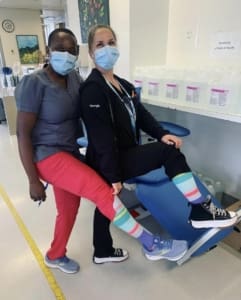
Nadia et Georgia

Les bas de compression ne sont plus réservés aux personnes âgées. Aujourd’hui, ils sont portés par des professionnels actifs, des voyageurs fréquents, des sportifs et toute personne qui passe de longues heures debout ou assise.

Mais à quoi servent-ils vraiment ?


Qu’est-ce qu’un bas de compression ?


Un bas de compression exerce une pression graduée sur la jambe.

La compression est plus forte à la cheville et diminue progressivement vers le haut.

Ce mécanisme aide à :


  • Stimuler la circulation sanguine
  • Réduire l’enflure
  • Diminuer la sensation de jambes lourdes
  • Prévenir les varices


Qui devrait porter des bas de compression ?


Contrairement aux idées préconçues, ils sont utiles pour :

✔ Les infirmières et professionnels de la santé


✔ Les travailleurs debout toute la journée

✔ Les employés de bureau (longues heures assis)

✔ Les femmes enceintes

✔ Les voyageurs en avion

✔ Les sportifs en récupération

Si vos jambes sont lourdes en fin de journée, c’est déjà un signe.


Les différents niveaux de compression


Il existe plusieurs degrés de compression :


  • 15–20 mmHg : prévention et confort quotidien
  • 20–30 mmHg : insuffisance veineuse légère à modérée
  • 30–40 mmHg : condition médicale plus avancée (prescription requise)


Il est important de choisir le bon niveau selon votre situation.